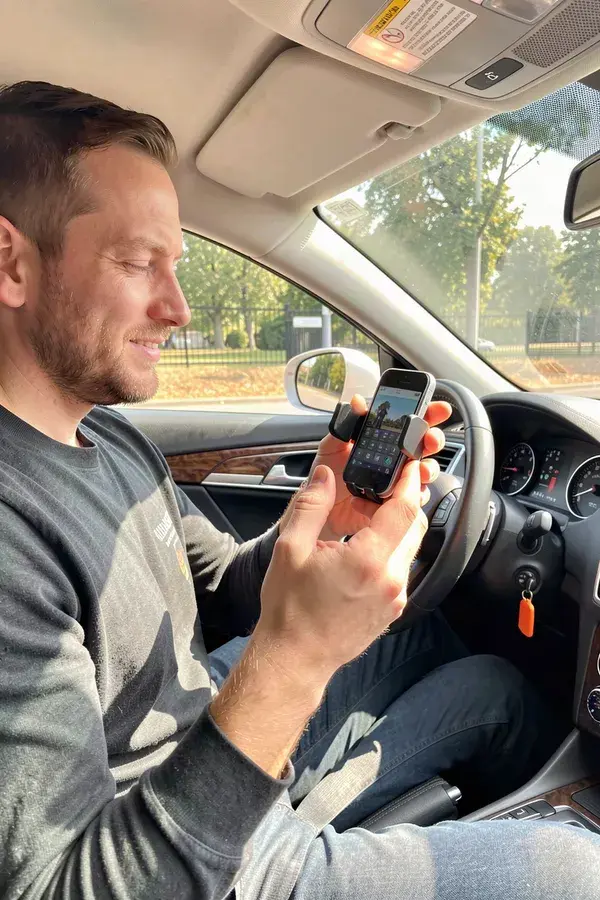
AI Influencer & Virtual Creator: Keep it.
Build a creator who fronts every video and never misses a viral window.
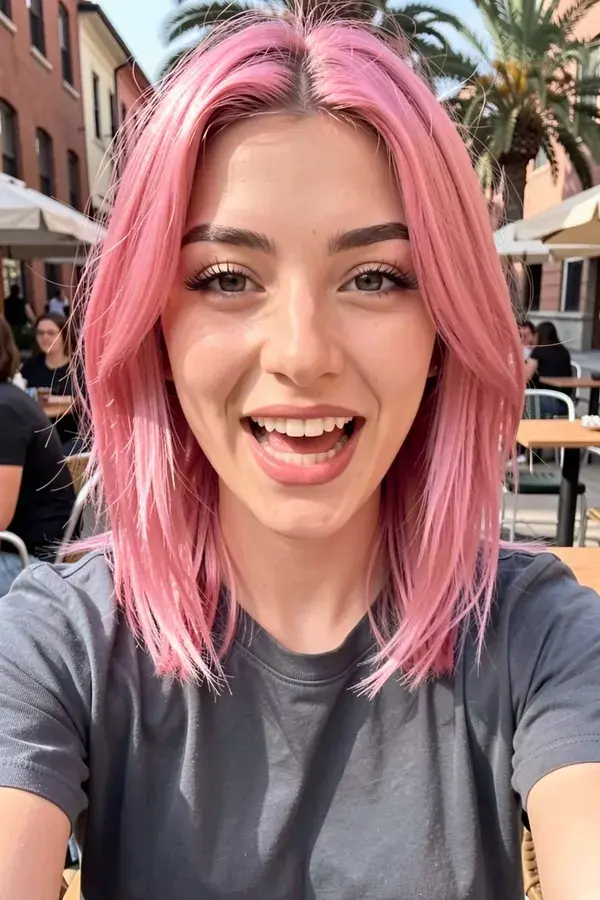 Talking to camera
The trust format. Your script, delivered by a face the audience recognises.
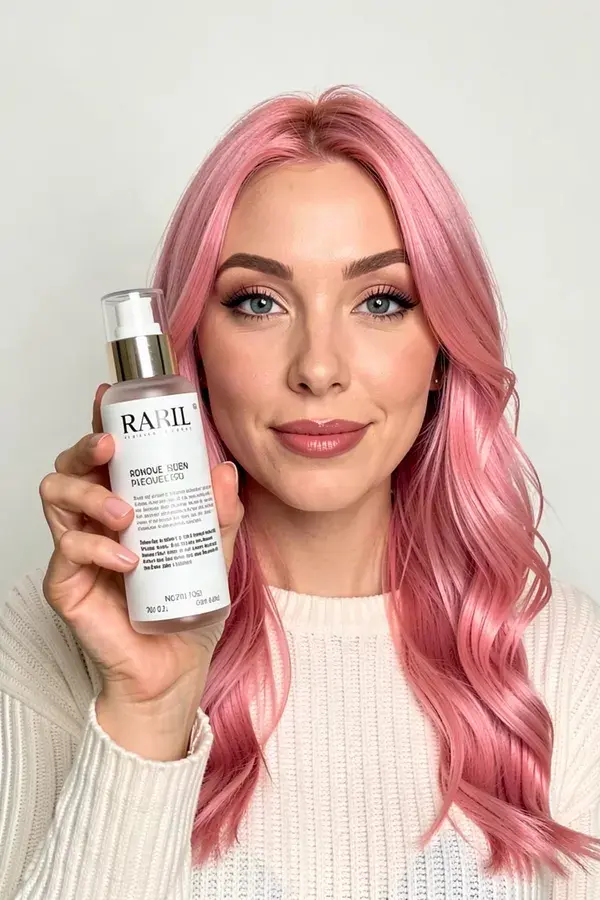 Creator-style product ads
The UGC hook, with a spokesperson you control instead of one you hire.
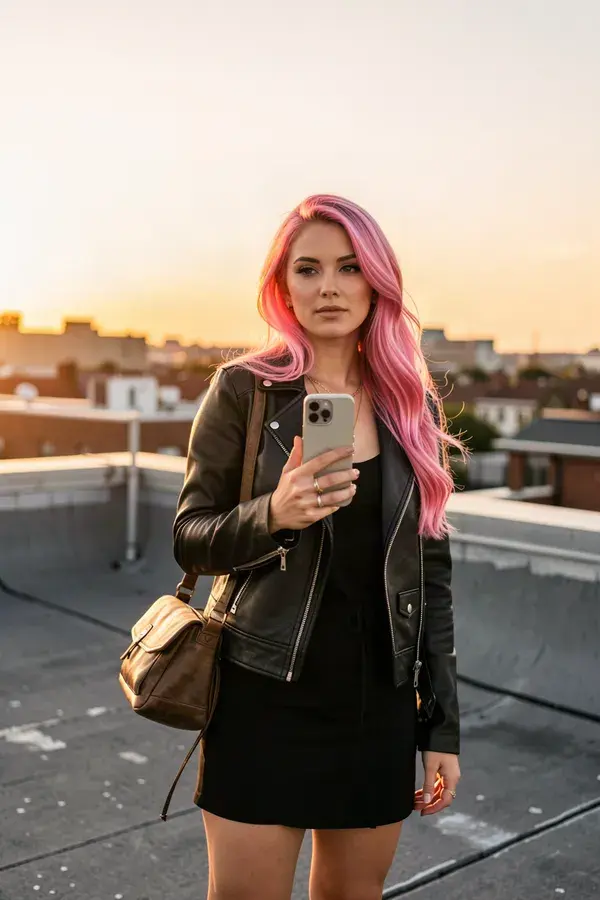 Lifestyle stills
Feed posts and profile imagery, same person, consistent styling.
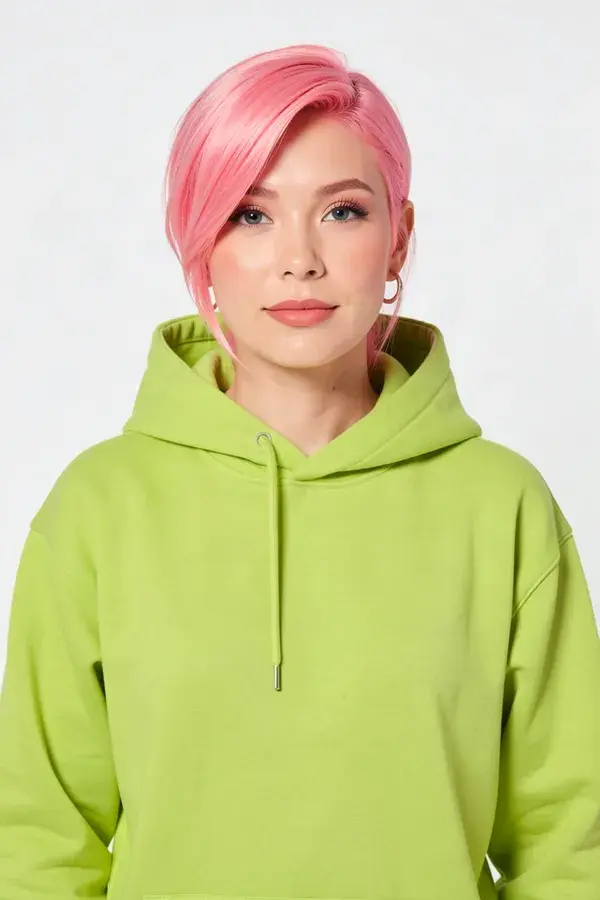 The character in your product
Put the saved face in a scene wearing or using what you sell.
- 1
Design the person
Age, look, styling, setting, energy. Generate until one of them feels like someone an audience would follow, then stop and save it.
- 2
Lock the identity
Store the face as a Brand Asset. This is the step people skip, and it is why their character drifts into a different person by video twenty.
- 3
Put them to work
Reference the saved face in every generation. Talking clips, product moments, reaction shots, stills for the feed.
- 4
Give them a voice
Record or generate the audio elsewhere, then lip sync it. Keeping the same voice matters as much as keeping the same face.
What is ai influencer & virtual creator?
An AI influencer is a consistent synthetic person used as the recurring face of a brand or content account, appearing across video and stills without a human creator being booked for each shoot. APImage generates and locks that identity: you create the face once, save it as a Brand Asset, and every later generation reuses it, so the same character can front hundreds of clips with the same features, styling and palette.
Is it legal to use an AI influencer in advertising?
Using a synthetic person you generated is generally fine. What is not fine is generating a recognisable real person without their consent, or implying a real human endorsed the product. Most platforms and advertising regulators also require synthetic presenters in ads to be disclosed, so label it.
How do I stop the face from drifting between videos?
Save the character as a Brand Asset and reference it on every generation instead of re-prompting a description. Prompt-only consistency fails after a handful of clips, which is why the saved reference exists.
Can the influencer speak in other languages?
Yes, in the sense that lip sync follows whatever audio you upload, so a translated voice track gives you the same character speaking another language. APImage does not translate the script or clone a voice, so the translation and the recording happen elsewhere.
Does an audience care that the creator is not real?
In practice, for product demonstration and information formats, engagement holds up. What breaks it is a fabricated personal story or a fake testimonial. Use a virtual creator to present real claims, not to invent lived experience.