 ByteDanceVideo model
Motion that holds up.
Weight, momentum and contact behave the way a camera would record them. This is the model that stopped video generation looking like a slideshow with a pan on it.
Product films
Orbit a product, rack focus onto the detail that sells it, and land on the pack shot. Motion is where Seedance earns its credits.
Action and VFX
Chase beats, weather, debris, water. The physics hold together at speeds where most models smear.
Reference-led shots
Point it at a clip for the camera move or the choreography and at photos for the cast, and it builds the shot around them.
Social cutdowns
Same take, seven aspect ratios. Render the 9:16 and the 16:9 from one prompt instead of cropping and hoping.
Storyboards that move
Fifteen seconds is enough to sell a sequence internally before anyone books a crew.
- Provider
- ByteDance
- Resolution
- 480p, 720p, 1080p, 4K
- Frame rate
- 24fps
- Duration
- 4 to 15 seconds
- Modes
- Text to video, image to video, reference to video
- Frames
- Start and end frames, or references, not both
- Aspect ratios
- 21:9, 16:9, 4:3, 1:1, 3:4, 9:16, or auto
- Reference images
- Up to 9 per generation
- Reference clips
- Up to 3, 15 seconds combined
- Reference audio
- Up to 3 tracks
- Audio
- Native, included at no extra cost
- Cost
- From 115 credits per 5 seconds at 480p, 264 at 720p
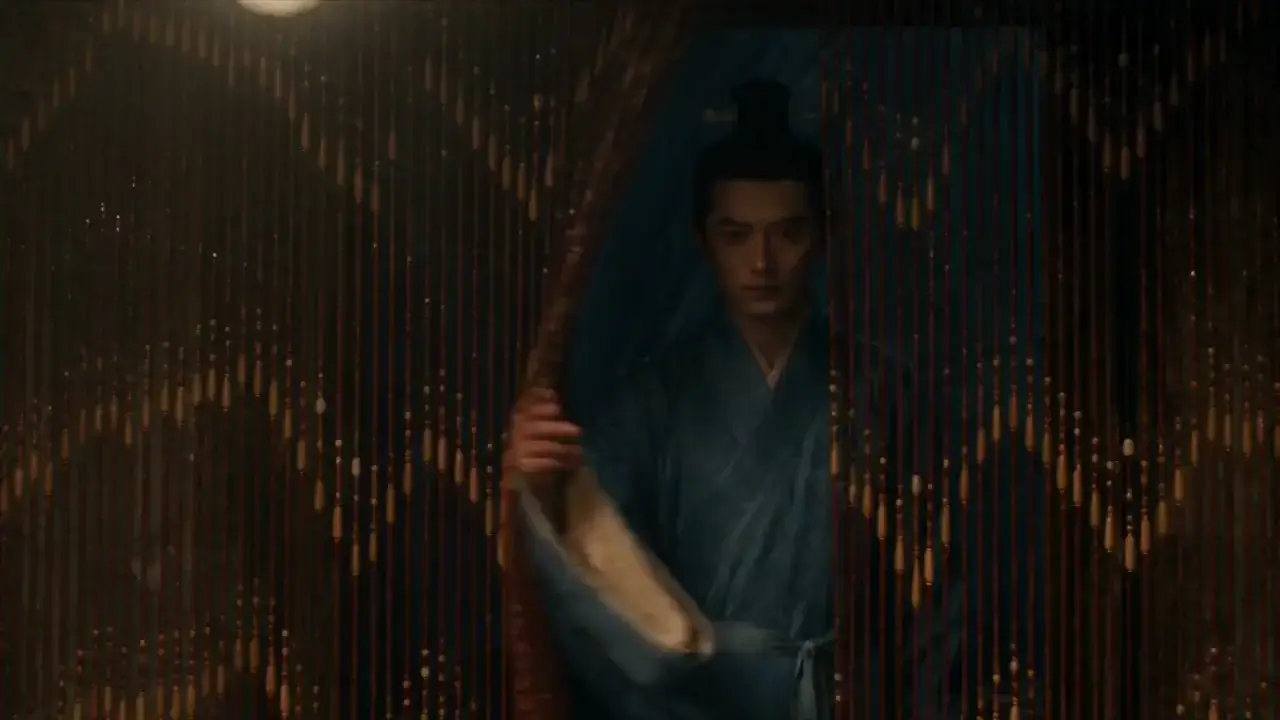
Seedance 2.5
You need a single take longer than 15 seconds, or more than nine references.
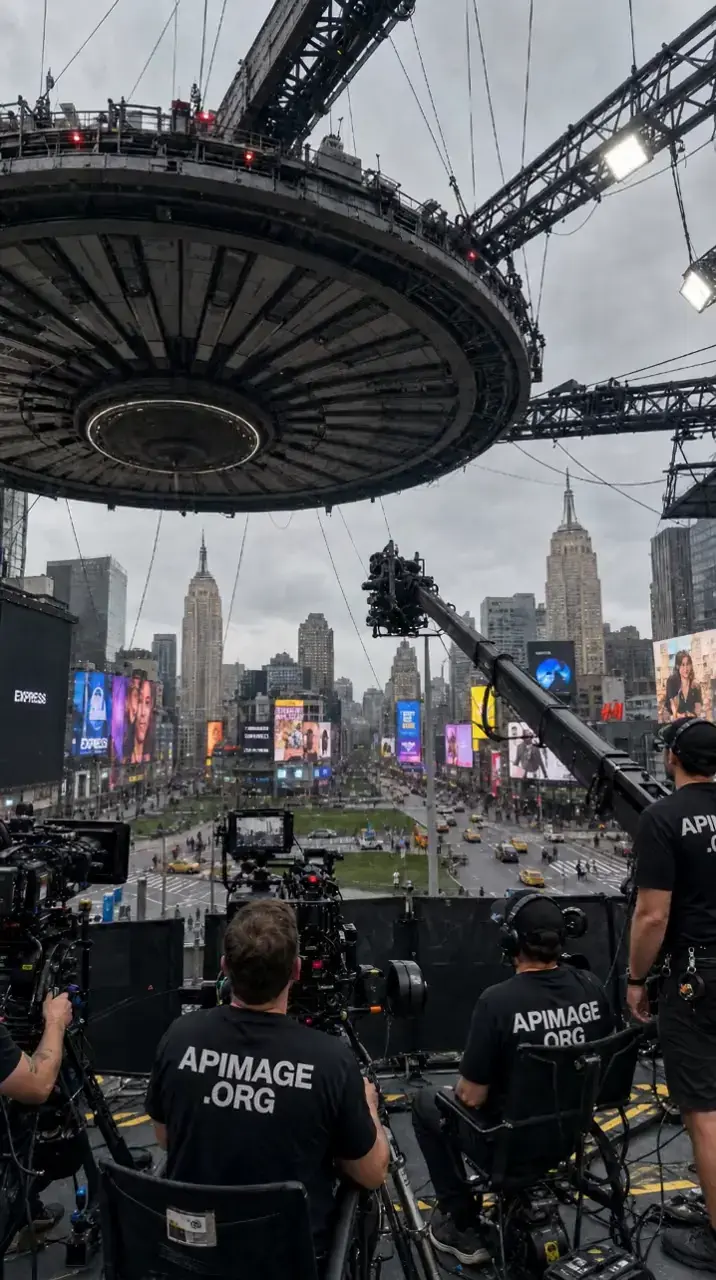
FLUX 3 Video
 FLUX 3 Video
You want Full HD with sound for less. Its Full HD costs under half of Seedance 2.0 at 1080p.
Side by side with the models people weigh it against. Both run on the same plan.

Seedance 2.0 vs Veo 3.1
ByteDance's reference-led control against Google's realism. Both reach 4K.
Read the comparison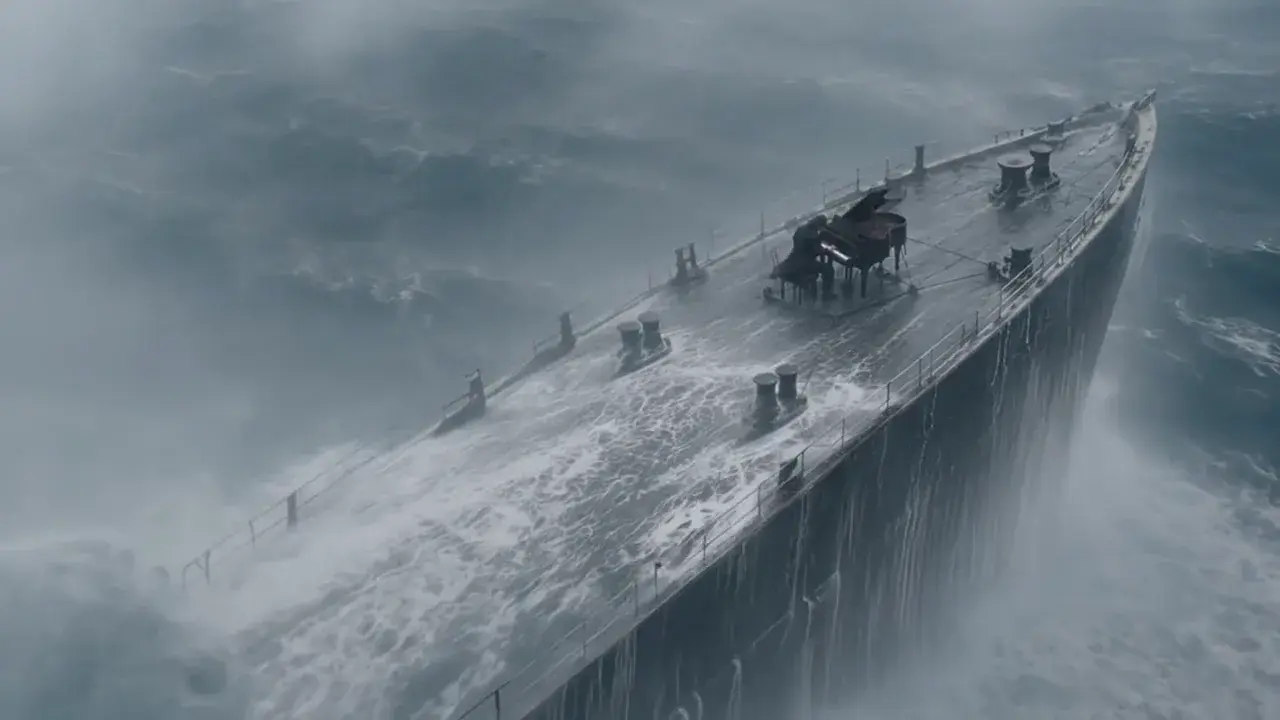 Video: Kling AI
Seedance 2.0 vs Kling 3.0
Two cinematic models, both to 15 seconds. One is a quarter of the price at 1080p.
Read the comparisonSeedance 2.5 vs Seedance 2.0
The long take against the 4K take, from the same family.
Read the comparisonWhat is Seedance 2.0?
Seedance 2.0 is ByteDance's video generation model, released in February 2026. It generates 4 to 15 second clips at up to 4K, with sound, from text, a start and end frame, or reference images, clips and audio, and it is strongest on camera movement and physical motion.
Does Seedance 2.0 generate sound?
Yes. On APImage Seedance 2.0 generates a native audio track with the picture, at no extra cost. Turn it off for a silent clip.
How much does Seedance 2.0 cost on APImage?
From 115 credits per 5 seconds at 480p, 264 at 720p, 572 at 1080p and 1,350 at 4K, scaling with length. With reference clips attached, their seconds and the output's are billed together at 60 percent of the rate. There is no per model surcharge: it draws on the same credit pool as every other model on your plan.
How long can a Seedance 2.0 clip be?
Between 4 and 15 seconds per generation. For a single take up to 30 seconds, use Seedance 2.5.
Can I use my own footage?
As a reference, yes: up to three clips, 15 seconds combined, addressed from the prompt to borrow their motion, camera or choreography. To restyle a clip you shot while keeping its timing, use Kling O3 Edit in the studio.
Do I need a paid plan?
Yes. Seedance runs on Starter and up. Free accounts cover image generation so you can test prompting and references first.
How do I use it?
Open the video studio and pick Seedance 2.0 from the model dropdown. Write the shot. Say what moves, where the camera goes, how it is lit and what we hear. Set a start and end frame, or add up to nine reference images, three clips and three audio tracks and call them from the prompt. Set resolution, aspect ratio and length, then generate. The credit cost is shown before you commit.