vs
Two cinematic models, both to 15 seconds. One is a quarter of the price at 1080p.
 Seedance 2.0
Both on starter and up. One plan, one pool of credits.
The short answer
Kling 3.0 is the better default on price: 5 seconds at 1080p with sound costs 140 credits, against 572 on Seedance 2.0. Pick Seedance 2.0 when the job needs what Kling 3.0 lacks: 4K, reference images, clips and audio to pin a product or a cast, seven aspect ratios, or API access. Both run to 15 seconds with native sound and start and end frames, and Kling adds automatic multi-shot. On APImage both are on the Starter plan, from one pool of credits.
| Spec | Seedance 2.0 | Kling 3.0 |
|---|---|---|
| Provider | ByteDance | Kuaishou |
| Resolution | 480p, 720p, 1080p, 4K | 720p, 1080p |
| Length | 4 to 15 seconds | 3 to 15 seconds |
| Aspect ratios | 21:9, 16:9, 4:3, 1:1, 3:4, 9:16, auto | 16:9, 9:16, 1:1 |
| References | 9 images, 3 clips, 3 audio tracks | Start and end frames |
| Native audio | Included | On or off |
| Multi-shot | No | Automatic cuts inside a clip |
| 5s at 1080p, with sound | 572 credits | 140 credits |
| 10s at 1080p, with sound | 1,144 credits | 280 credits |
| API and MCP | Yes | Studio only |
Prices in APImage credits, quoted from the app on 23 Oct 2026. A tick marks the edge; rows without one simply differ.
Seedance 2.02:2Kling 3.0
Price
Kling 3.0At 1080p with sound Kling 3.0 costs about a quarter of Seedance 2.0: 140 credits per 5 seconds against 572.
References
Seedance 2.0Seedance 2.0 takes nine images, three clips and three audio tracks. Kling 3.0 takes a start and end frame; for references in Kling, use Kling O3 Reference.
Resolution and formats
Seedance 2.0Seedance 2.0 renders up to 4K in seven aspect ratios. Kling 3.0 stops at 1080p in three.
Edited scenes
Kling 3.0Kling 3.0's multi-shot cuts between angles inside one generation.
ByteDance
Pick Seedance 2.0 if
- You need 4K.
- The shot must contain a specific product or person from reference photos.
- A reference clip should drive the motion.
- You work through the API or MCP.
Kuaishou
Pick Kling 3.0 if
- You want 1080p with sound at a quarter of the price.
- You want the scene cut into shots automatically.
- Start and end frames are enough control.
Run both.
Seedance 2.0 and Kling 3.0 sit in the same APImage studio and draw on the same credits. Switching between them is a dropdown, not a second subscription.
- 1
Explore the idea on Kling 3.0, where 1080p with sound is 140 credits per 5 seconds.
- 2
Move the shots that need a specific product or face to Seedance 2.0 and pin them with references.
- 3
Finish the hero shot in 4K on Seedance. Same studio, same credits.
Is Seedance 2.0 better than Kling 3.0?
Seedance 2.0 does more: 4K, reference images, clips and audio, seven aspect ratios and API access. Kling 3.0 is about a quarter of the price at 1080p and adds multi-shot. For most shots Kling is the better value; for controlled, reference-led or 4K shots, Seedance.
Which is cheaper?
Kling 3.0. Five seconds at 1080p with sound is 140 credits on Kling 3.0 and 572 on Seedance 2.0.
Which takes reference images?
Seedance 2.0 takes up to nine, plus clips and audio. Kling 3.0 takes start and end frames; Kling O3 Reference takes up to four reference images.
Can I use both on APImage?
Yes, both are in the video studio on Starter and up, billed from the same credits.

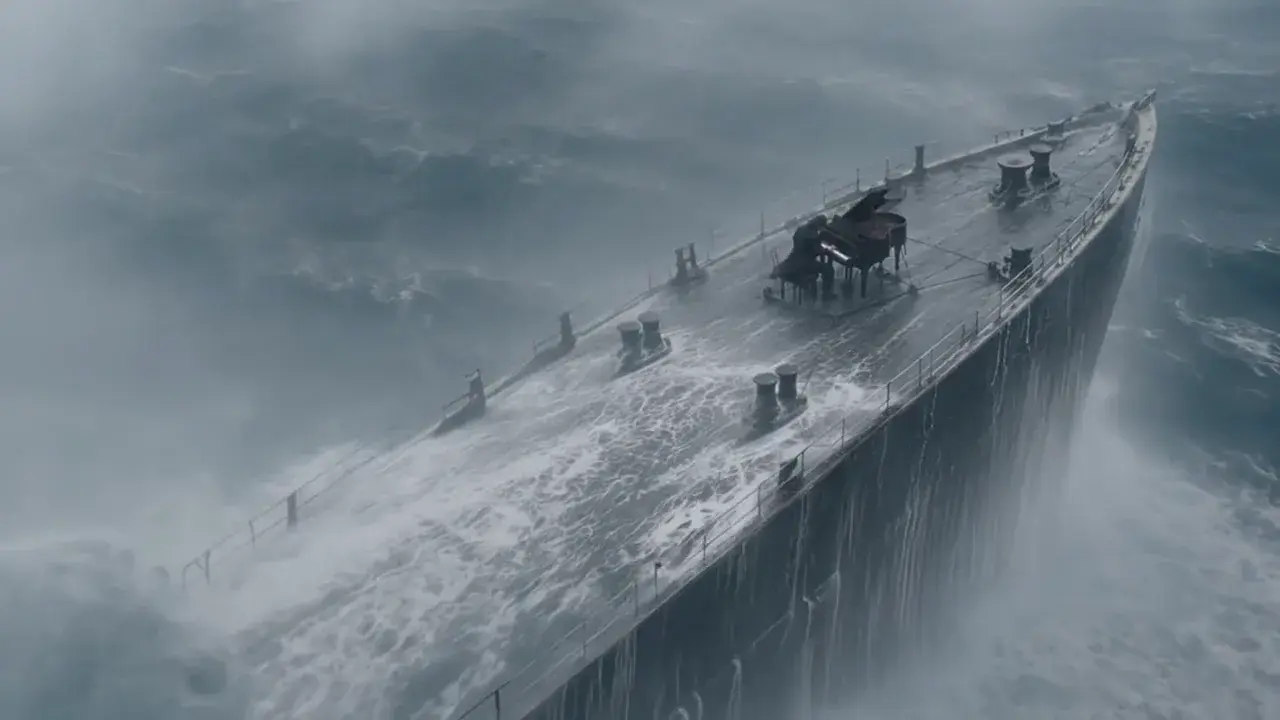 Video: Kling AI

Veo 3.1 vs Kling 3.0
Google's realism against Kuaishou's cinema. One stops at 8 seconds, the other runs to 15.
Read the comparison
Seedance 2.0 vs Veo 3.1
ByteDance's reference-led control against Google's realism. Both reach 4K.
Read the comparison Video: Kling AI
Wan 3.0 vs Kling 3.0
Alibaba's reference machine against Kuaishou's camera. One runs to 30 seconds.
Read the comparison