Real Estate Listing Media: Sell it.
Staged interiors sell listings faster than empty rooms do.
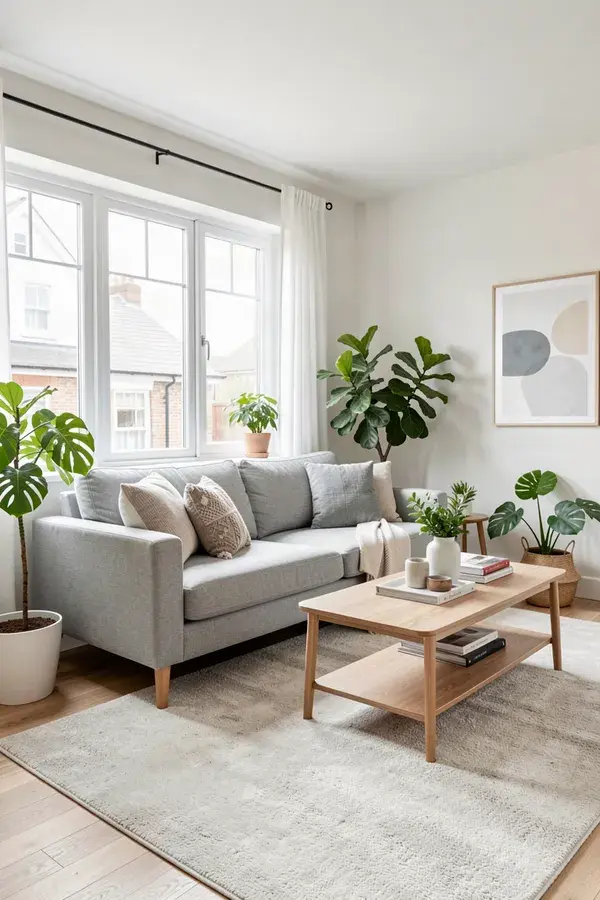 Virtual staging
Empty rooms furnished, at correct scale for the space.
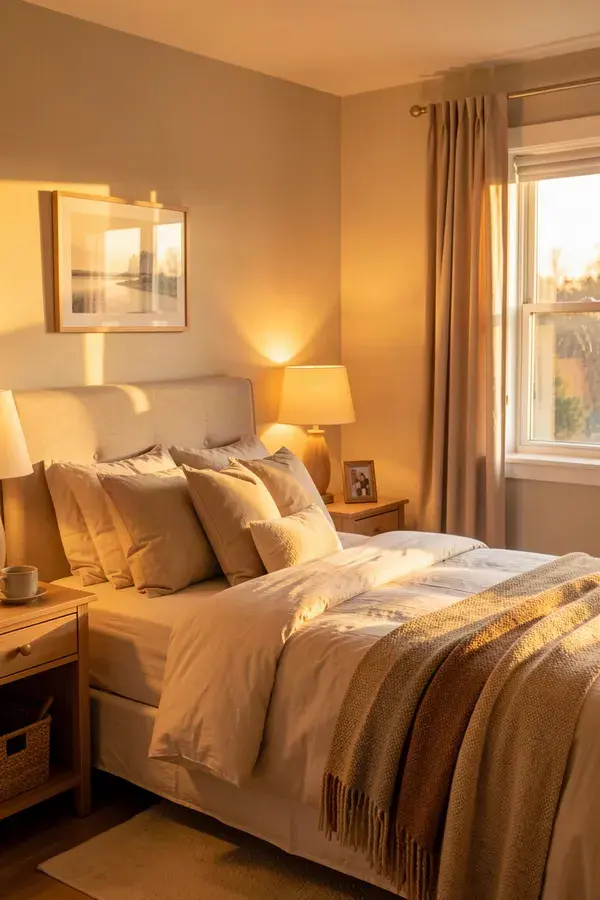 Relit interiors
Dim, orange phone photos corrected to something a buyer will click.
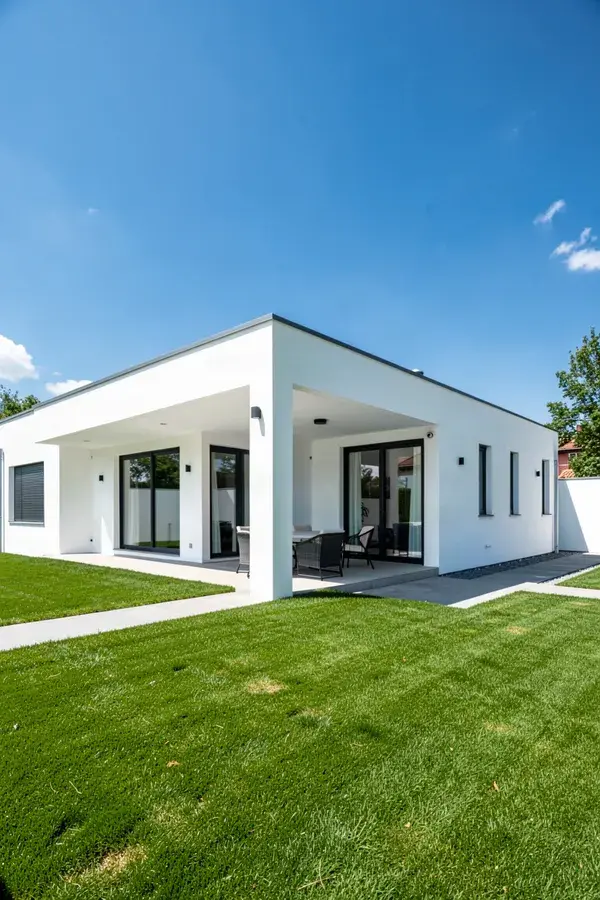 Enhanced exteriors
Kerb appeal shots cleaned up without changing the property.
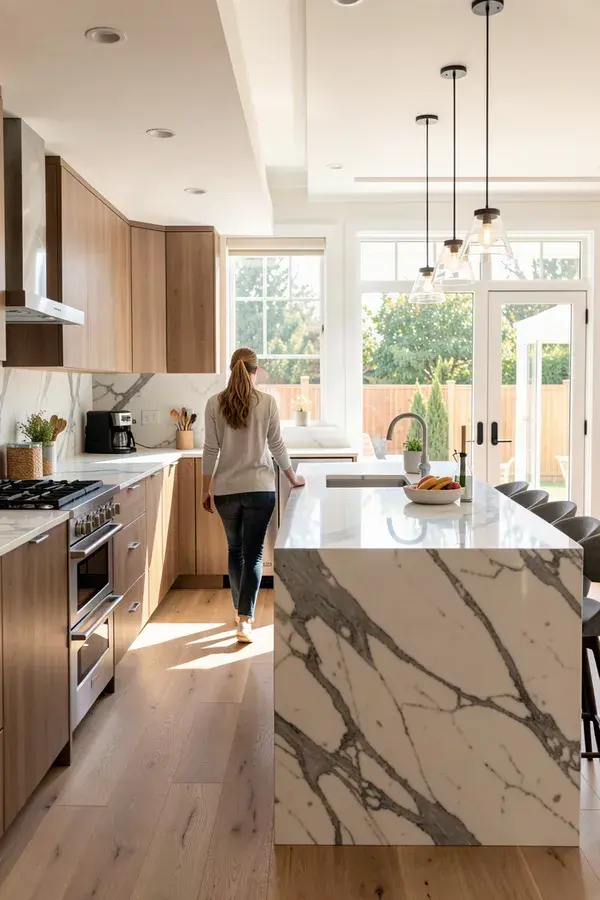 Vertical listing clips
Short social video per property, generated from the stills.
- 1
Shoot straight and wide
Level camera, corners visible, blinds open. Generation improves a room's presentation, it cannot invent geometry that was never photographed.
- 2
Stage to the buyer
Furnish for who is actually buying. A family house and a city studio need different furniture, and the wrong staging reads as generic.
- 3
Fix the light, keep the room
Relight rather than rebuild. The structure, windows and proportions must stay exactly as they are.
- 4
Disclose the staging
Label virtually staged images clearly in the listing. This is a requirement in many markets and good practice everywhere.
What is real estate listing media?
Real estate listing media is the photography, virtual staging and video that determines how many enquiries a property receives. APImage works from the photos an agent already has: it corrects flat or dim interior light, furnishes empty rooms as virtual staging, and generates short vertical clips for social listings, so a property can be presented well without booking a photographer and a stager for every instruction.
Is virtual staging allowed in property listings?
Widely, yes, provided it is disclosed. Many jurisdictions and portals require virtually staged images to be labelled, and misleading property advertising carries real consequences for the agent. Add the furniture, label the image, never alter the structure.
What can I not change?
Anything structural or material to the decision: room dimensions, windows, the view, damage, damp, the condition of surfaces. Removing a defect from a photo is misrepresentation, not retouching.
Can I stage an off-plan property?
Yes, and it is a legitimate use, but the images must be described as computer-generated impressions rather than photographs of a finished unit. That labelling requirement is enforced in most markets.
How good does the original photo need to be?
Sharp, level and wide enough to show the room. Generation can fix light, colour and emptiness. It cannot recover a blurred photo or reveal a corner the camera never saw.